Poetry and Prose
The poetry collection Mother and the Dongjin River of My Childhood (in Korean), alongside new poems and columns.
Explore the Writings
He studies the institutions and powers of local autonomy, and how public administration actually works.
From the expertise and personnel systems of local councils to AI transformation and disaster safety, he examines the administrative conditions needed to solve problems on the ground.
When a local government adopts AI, technology is not the only thing that has to change. The channels that receive citizens' requests, the way departments cooperate, the capacity to use data and the procedures for testing new rules all have to change together. This study proposes an AI administrative hub model that connects these four areas and examines its applicability and limits through the case of Wonju. It rests on the view that turning technology into administrative results requires designing organization, authority and citizen participation together.
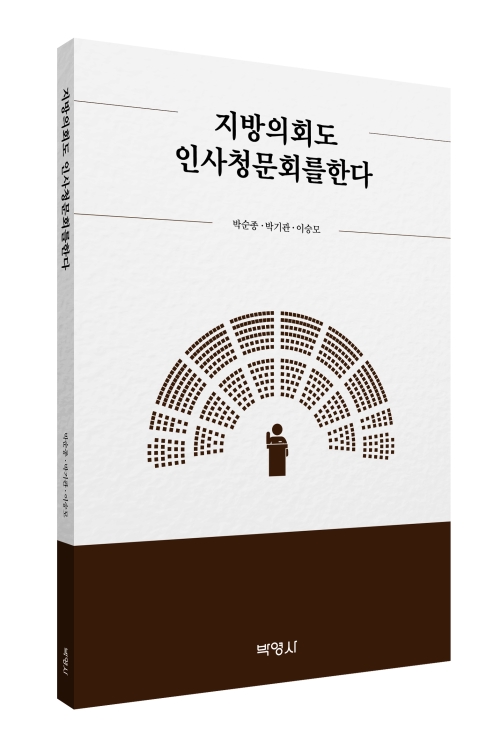
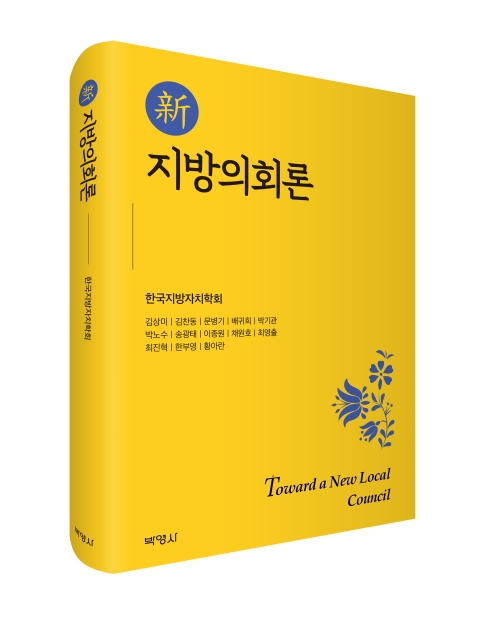
When it comes to strengthening the expertise of local councils, what do stakeholders in the field put first? Building on in-depth interviews, this study applies Q methodology and identifies five perception types. The preferred direction differed depending on whether the focus was on council members or on support staff, and on whether short-term or long-term change was valued. The study offers grounds for understanding these differences and finding improvements that stakeholders can pursue together, before uniform support measures are designed.
How can a local council with a small staff secure both independent personnel authority and stable operations? This study compares three ways of creating a dedicated council service category and five scopes of personnel management. It proposes combining a separate grade table with personnel management at the metropolitan or provincial level, weighing the promotion and rotation problems of small staffs against the autonomy of each council. It turns the principle of independent personnel authority into concrete questions of organization and personnel practice.
Marking the society's founding, he set out a research agenda on institutions and administrative procedures so that advanced technology turns into faster response on the ground.
At the Wonju development strategy forum, he gave the keynote on decentralized balanced development under the 5 regional hubs and 3 special self-governing provinces framework and on Wonju's future strategy.
Introduced his work on decentralization policy and balanced development and reported his receipt of the Order of Service Merit, Hongjo Medal.
On the foundations of local autonomy studies laid by Professor Rho Yung Hee and Professor Choi Chang-ho, Park Ki-Gwan has carried his own questions forward. What he learned of local autonomy as Professor Choi Chang-ho's youngest disciple continues in his research on local councils, decentralization and the future of the regions.
Professor Rho Yung Hee was Professor Choi Chang-ho's teacher, and Park Ki-Gwan is Professor Choi's youngest disciple. In the Korean Association for Local Government Studies, Rho served as the first president, Choi as the second, and Park as the 25th.
When I later became president of the association that my teacher's teacher had founded and my teacher had nurtured, I came to understand how scholarship passes from one person to the next.From the Greeting
Professor, Seoul National University
Founding President, Korean Association for Local Government Studies
December 1988 to February 1993
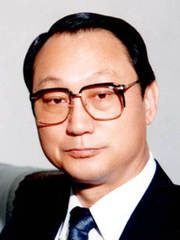
Professor, Konkuk University
2nd President, Korean Association for Local Government Studies
February 1993 to February 1995
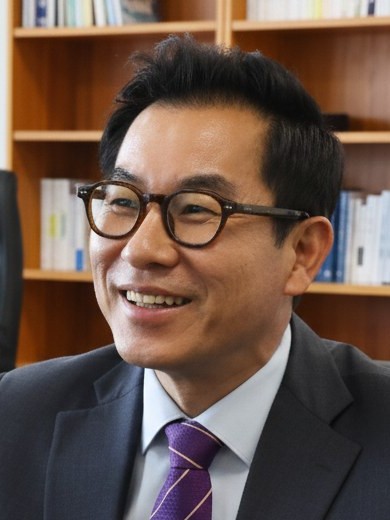
Professor Choi Chang-ho's youngest disciple
25th President, Korean Association for Local Government Studies
February 2021 to February 2022
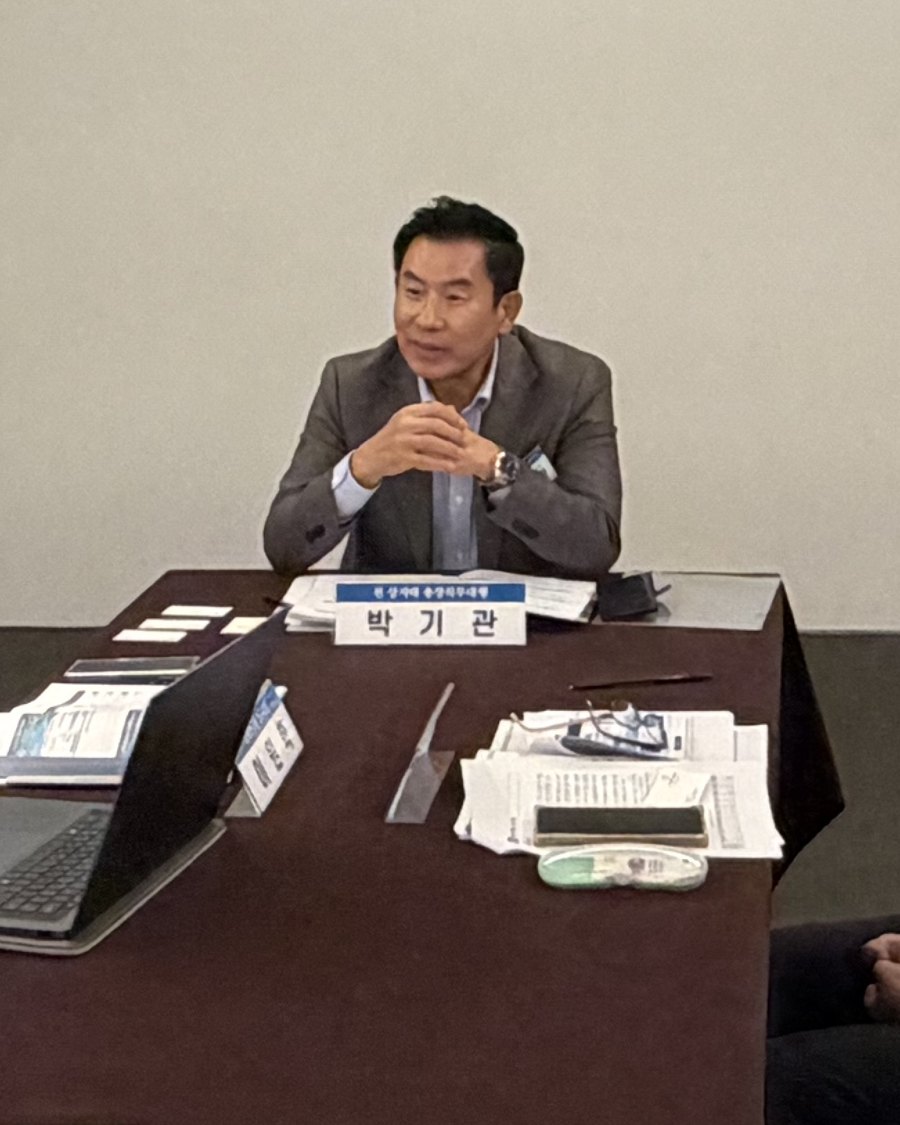
Chaired a session on Establishing and Sustaining a Resident-Participatory Solar Dividend Scheme (in Korean). Lakai Sandpine Convention Center, Gangneung.
All Lectures and PresentationsThe poetry collection Mother and the Dongjin River of My Childhood (in Korean), alongside new poems and columns.
Explore the WritingsOn the teachers who led me to scholarship and the thoughts with which I welcome you here.
Read the GreetingI gather your letters and questions and reply once a month.
Get in Touch